

Python机器学习NLP自然语言处理基本操作新闻分类
概述
从今天开始我们将开启一段自然语言处理 (NLP) 的旅程. 自然语言处理可以让来处理, 理解, 以及运用人类的语言, 实现机器语言和人类语言之间的沟通桥梁.

TF-IDF 关键词提取
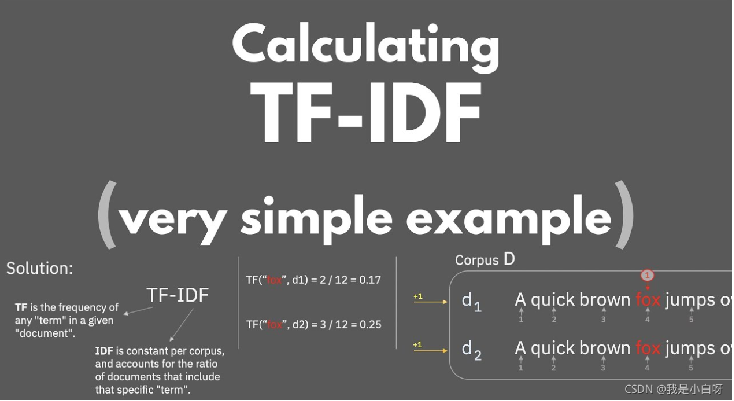
TF-IDF (Term Frequency-Inverse Document Frequency), 即词频-逆文件频率是一种用于信息检索与数据挖掘的常用加权技术. TF-IDF 可以帮助我们挖掘文章中的关键词. 通过数值统计, 反映一个词对于语料库中某篇文章的重要性.
TF
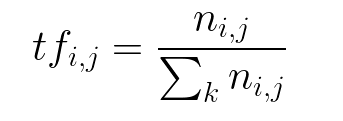
TF (Term Frequency), 即词频. 表示词在文本中出现的频率.
公式:
IDF
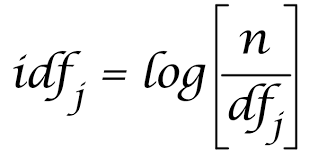
IDF (Inverse Document Frequency), 即逆文档频率. 表示语料库中包含词的文档的数目的倒数.
公式:
TF-IDF
公式:
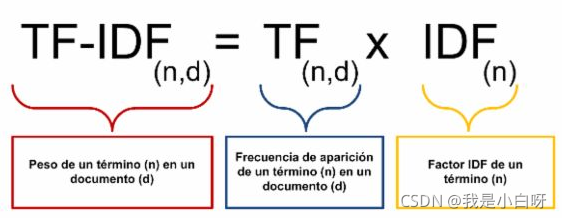
TF-IDF = (词的频率 / 句子总字数) × (总文档数 / 包含该词的文档数)
如果一个词非常常见, 那么 IDF 就会很低, 反之就会很高. TF-IDF 可以帮助我们过滤常见词语, 提取关键词.
TfidfVectorizer
TfidfVectorizer 可以帮助我们把原始文本转化为 tf-idf 的特征矩阵, 从而进行相似度计算. sklearn 的TfidfVectorizer 默认输入文本矩阵每行表示一篇文本. 不同文本中相同词项的 tf 值不同, 因此 tf 值与词项所在文本有关.
格式:
tfidfVectorizer(input='content', encoding='utf-8',
                 decode_error='strict', strip_accents=None, lowercase=True,
                 preprocessor=None, tokenizer=None, analyzer='word',
                 stop_words=None, token_pattern=r"(?u)\b\w\w+\b",
                 ngram_range=(1, 1), max_df=1.0, min_df=1,
                 max_features=None, vocabulary=None, binary=False,
                 dtype=np.float64, norm='l2', use_idf=True, smooth_idf=True,
                 sublinear_tf=False)
参数:
input: 输入
encoding: 编码, 默认为 utf-8
analyzer: “word” 或 “char”, 默认按词 (word) 分析
stopwords: 停用词
ngram_range: ngrame 上下限
lowercase: 转换为小写
max_features: 关键词个数
数据介绍
数据由 12 个不同网站的新闻数据组成. 如下:
  Class  ...                                            Content
0  news  ...  中广网唐山6月12日消息(记者汤一亮 庄胜春)据中国之声《新闻晚高峰》报道,今天(12日)上...
1  news  ...  天津卫视求职节目《非你莫属》“晕倒门”事件余波未了,主持人张绍刚前日通过《非你莫属》节目组发...
2  news  ...  临沂(山东),2012年6月4日 夫妻“麦客”忙麦收 6月4日,在山东省临沂市郯城县郯城街道...
3  news  ...  中广网北京6月13日消息(记者王宇)据中国之声《新闻晚高峰》报道,明天凌晨两场欧洲杯的精彩比...
4  news  ...  环球网记者李亮报道,正在意大利度蜜月的“脸谱”创始人扎克伯格与他华裔妻子的一举一动都处于媒体...

流程:
- 读取数据
- 计算数据 tf-idf 值
- 贝叶斯分类
代码实现
import pandas as pd
from sklearn.model_selection import train_test_split
from sklearn.feature_extraction.text import TfidfVectorizer
from sklearn.metrics import classification_report
from sklearn.naive_bayes import MultinomialNB
import jieba
def load_data():
    """读取数据/停用词"""
    # 读取数据
    data = pd.read_csv("test.txt", sep="\t", names=["Class", "Title", "Content"])
    print(data.head())
    # 读取停用词
    stop_words = pd.read_csv("stopwords.txt", names=["stop_words"], encoding="utf-8")
    stop_words = stop_words["stop_words"].values.tolist()
    print(stop_words)
    return data, stop_words
def main():
    """主函数"""
    # 读取数据
    data, stop_words = load_data()
    # 分词
    segs = data["Content"].apply(lambda x: ' '.join(jieba.cut(x)))
    # Tf-Idf
    tf_idf = TfidfVectorizer(stop_words=stop_words, max_features=1000, lowercase=False)
    # 拟合
    tf_idf.fit(segs)
    # 转换
    X = tf_idf.transform(segs)
    # 分割数据
    X_train, X_test, y_train, y_test = train_test_split(X, data["Class"], random_state=0)
    # 调试输出
    print(X_train[:2])
    print(y_train[:2])
    # 实例化朴素贝叶斯
    classifier = MultinomialNB()
    # 拟合
    classifier.fit(X_train, y_train)
    # 计算分数
    acc = classifier.score(X_test, y_test)
    print("准确率:", acc)
    # 报告
    report = classification_report(y_test, classifier.predict(X_test))
    print(report)
if __name__ == '__main__':
    main()
输出结果:
  Class  ...                                            Content
0  news  ...  中广网唐山6月12日消息(记者汤一亮 庄胜春)据中国之声《新闻晚高峰》报道,今天(12日)上...
1  news  ...  天津卫视求职节目《非你莫属》“晕倒门”事件余波未了,主持人张绍刚前日通过《非你莫属》节目组发...
2  news  ...  临沂(山东),2012年6月4日 夫妻“麦客”忙麦收 6月4日,在山东省临沂市郯城县郯城街道...
3  news  ...  中广网北京6月13日消息(记者王宇)据中国之声《新闻晚高峰》报道,明天凌晨两场欧洲杯的精彩比...
4  news  ...  环球网记者李亮报道,正在意大利度蜜月的“脸谱”创始人扎克伯格与他华裔妻子的一举一动都处于媒体...
[5 rows x 3 columns]
['?', '、', '。', '“', '”', '《', '》', '!', ',', ':', ';', '?', '啊', '阿', '哎', '哎呀', '哎哟', '唉', '俺', '俺们', '按', '按照', '吧', '吧哒', '把', '罢了', '被', '本', '本着', '比', '比方', '比如', '鄙人', '彼', '彼此', '边', '别', '别的', '别说', '并', '并且', '不比', '不成', '不单', '不但', '不独', '不管', '不光', '不过', '不仅', '不拘', '不论', '不怕', '不然', '不如', '不特', '不惟', '不问', '不只', '朝', '朝着', '趁', '趁着', '乘', '冲', '除', '除此之外', '除非', '除了', '此', '此间', '此外', '从', '从而', '打', '待', '但', '但是', '当', '当着', '到', '得', '的', '的话', '等', '等等', '地', '第', '叮咚', '对', '对于', '多', '多少', '而', '而况', '而且', '而是', '而外', '而言', '而已', '尔后', '反过来', '反过来说', '反之', '非但', '非徒', '否则', '嘎', '嘎登', '该', '赶', '个', '各', '各个', '各位', '各种', '各自', '给', '根据', '跟', '故', '故此', '固然', '关于', '管', '归', '果然', '果真', '过', '哈', '哈哈', '呵', '和', '何', '何处', '何况', '何时', '嘿', '哼', '哼唷', '呼哧', '乎', '哗', '还是', '还有', '换句话说', '换言之', '或', '或是', '或者', '极了', '及', '及其', '及至', '即', '即便', '即或', '即令', '即若', '即使', '几', '几时', '己', '既', '既然', '既是', '继而', '加之', '假如', '假若', '假使', '鉴于', '将', '较', '较之', '叫', '接着', '结果', '借', '紧接着', '进而', '尽', '尽管', '经', '经过', '就', '就是', '就是说', '据', '具体地说', '具体说来', '开始', '开外', '靠', '咳', '可', '可见', '可是', '可以', '况且', '啦', '来', '来着', '离', '例如', '哩', '连', '连同', '两者', '了', '临', '另', '另外', '另一方面', '论', '嘛', '吗', '慢说', '漫说', '冒', '么', '每', '每当', '们', '莫若', '某', '某个', '某些', '拿', '哪', '哪边', '哪儿', '哪个', '哪里', '哪年', '哪怕', '哪天', '哪些', '哪样', '那', '那边', '那儿', '那个', '那会儿', '那里', '那么', '那么些', '那么样', '那时', '那些', '那样', '乃', '乃至', '呢', '能', '你', '你们', '您', '宁', '宁可', '宁肯', '宁愿', '哦', '呕', '啪达', '旁人', '呸', '凭', '凭借', '其', '其次', '其二', '其他', '其它', '其一', '其余', '其中', '起', '起见', '起见', '岂但', '恰恰相反', '前后', '前者', '且', '然而', '然后', '然则', '让', '人家', '任', '任何', '任凭', '如', '如此', '如果', '如何', '如其', '如若', '如上所述', '若', '若非', '若是', '啥', '上下', '尚且', '设若', '设使', '甚而', '甚么', '甚至', '省得', '时候', '什么', '什么样', '使得', '是', '是的', '首先', '谁', '谁知', '顺', '顺着', '似的', '虽', '虽然', '虽说', '虽则', '随', '随着', '所', '所以', '他', '他们', '他人', '它', '它们', '她', '她们', '倘', '倘或', '倘然', '倘若', '倘使', '腾', '替', '通过', '同', '同时', '哇', '万一', '往', '望', '为', '为何', '为了', '为什么', '为着', '喂', '嗡嗡', '我', '我们', '呜', '呜呼', '乌乎', '无论', '无宁', '毋宁', '嘻', '吓', '相对而言', '像', '向', '向着', '嘘', '呀', '焉', '沿', '沿着', '要', '要不', '要不然', '要不是', '要么', '要是', '也', '也罢', '也好', '一', '一般', '一旦', '一方面', '一来', '一切', '一样', '一则', '依', '依照', '矣', '以', '以便', '以及', '以免', '以至', '以至于', '以致', '抑或', '因', '因此', '因而', '因为', '哟', '用', '由', '由此可见', '由于', '有', '有的', '有关', '有些', '又', '于', '于是', '于是乎', '与', '与此同时', '与否', '与其', '越是', '云云', '哉', '再说', '再者', '在', '在下', '咱', '咱们', '则', '怎', '怎么', '怎么办', '怎么样', '怎样', '咋', '照', '照着', '者', '这', '这边', '这儿', '这个', '这会儿', '这就是说', '这里', '这么', '这么点儿', '这么些', '这么样', '这时', '这些', '这样', '正如', '吱', '之', '之类', '之所以', '之一', '只是', '只限', '只要', '只有', '至', '至于', '诸位', '着', '着呢', '自', '自从', '自个儿', '自各儿', '自己', '自家', '自身', '综上所述', '总的来看', '总的来说', '总的说来', '总而言之', '总之', '纵', '纵令', '纵然', '纵使', '遵照', '作为', '兮', '呃', '呗', '咚', '咦', '喏', '啐', '喔唷', '嗬', '嗯', '嗳', 'a', 'able', 'about', 'above', 'abroad', 'according', 'accordingly', 'across', 'actually', 'adj', 'after', 'afterwards', 'again', 'against', 'ago', 'ahead', "ain't", 'all', 'allow', 'allows', 'almost', 'alone', 'along', 'alongside', 'already', 'also', 'although', 'always', 'am', 'amid', 'amidst', 'among', 'amongst', 'an', 'and', 'another', 'any', 'anybody', 'anyhow', 'anyone', 'anything', 'anyway', 'anyways', 'anywhere', 'apart', 'appear', 'appreciate', 'appropriate', 'are', "aren't", 'around', 'as', "a's", 'aside', 'ask', 'asking', 'associated', 'at', 'available', 'away', 'awfully', 'b', 'back', 'backward', 'backwards', 'be', 'became', 'because', 'become', 'becomes', 'becoming', 'been', 'before', 'beforehand', 'begin', 'behind', 'being', 'believe', 'below', 'beside', 'besides', 'best', 'better', 'between', 'beyond', 'both', 'brief', 'but', 'by', 'c', 'came', 'can', 'cannot', 'cant', "can't", 'caption', 'cause', 'causes', 'certain', 'certainly', 'changes', 'clearly', "c'mon", 'co', 'co.', 'com', 'come', 'comes', 'concerning', 'consequently', 'consider', 'considering', 'contain', 'containing', 'contains', 'corresponding', 'could', "couldn't", 'course', "c's", 'currently', 'd', 'dare', "daren't", 'definitely', 'described', 'despite', 'did', "didn't", 'different', 'directly', 'do', 'does', "doesn't", 'doing', 'done', "don't", 'down', 'downwards', 'during', 'e', 'each', 'edu', 'eg', 'eight', 'eighty', 'either', 'else', 'elsewhere', 'end', 'ending', 'enough', 'entirely', 'especially', 'et', 'etc', 'even', 'ever', 'evermore', 'every', 'everybody', 'everyone', 'everything', 'everywhere', 'ex', 'exactly', 'example', 'except', 'f', 'fairly', 'far', 'farther', 'few', 'fewer', 'fifth', 'first', 'five', 'followed', 'following', 'follows', 'for', 'forever', 'former', 'formerly', 'forth', 'forward', 'found', 'four', 'from', 'further', 'furthermore', 'g', 'get', 'gets', 'getting', 'given', 'gives', 'go', 'goes', 'going', 'gone', 'got', 'gotten', 'greetings', 'h', 'had', "hadn't", 'half', 'happens', 'hardly', 'has', "hasn't", 'have', "haven't", 'having', 'he', "he'd", "he'll", 'hello', 'help', 'hence', 'her', 'here', 'hereafter', 'hereby', 'herein', "here's", 'hereupon', 'hers', 'herself', "he's", 'hi', 'him', 'himself', 'his', 'hither', 'hopefully', 'how', 'howbeit', 'however', 'hundred', 'i', "i'd", 'ie', 'if', 'ignored', "i'll", "i'm", 'immediate', 'in', 'inasmuch', 'inc', 'inc.', 'indeed', 'indicate', 'indicated', 'indicates', 'inner', 'inside', 'insofar', 'instead', 'into', 'inward', 'is', "isn't", 'it', "it'd", "it'll", 'its', "it's", 'itself', "i've", 'j', 'just', 'k', 'keep', 'keeps', 'kept', 'know', 'known', 'knows', 'l', 'last', 'lately', 'later', 'latter', 'latterly', 'least', 'less', 'lest', 'let', "let's", 'like', 'liked', 'likely', 'likewise', 'little', 'look', 'looking', 'looks', 'low', 'lower', 'ltd', 'm', 'made', 'mainly', 'make', 'makes', 'many', 'may', 'maybe', "mayn't", 'me', 'mean', 'meantime', 'meanwhile', 'merely', 'might', "mightn't", 'mine', 'minus', 'miss', 'more', 'moreover', 'most', 'mostly', 'mr', 'mrs', 'much', 'must', "mustn't", 'my', 'myself', 'n', 'name', 'namely', 'nd', 'near', 'nearly', 'necessary', 'need', "needn't", 'needs', 'neither', 'never', 'neverf', 'neverless', 'nevertheless', 'new', 'next', 'nine', 'ninety', 'no', 'nobody', 'non', 'none', 'nonetheless', 'noone', 'no-one', 'nor', 'normally', 'not', 'nothing', 'notwithstanding', 'novel', 'now', 'nowhere', 'o', 'obviously', 'of', 'off', 'often', 'oh', 'ok', 'okay', 'old', 'on', 'once', 'one', 'ones', "one's", 'only', 'onto', 'opposite', 'or', 'other', 'others', 'otherwise', 'ought', "oughtn't", 'our', 'ours', 'ourselves', 'out', 'outside', 'over', 'overall', 'own', 'p', 'particular', 'particularly', 'past', 'per', 'perhaps', 'placed', 'please', 'plus', 'possible', 'presumably', 'probably', 'provided', 'provides', 'q', 'que', 'quite', 'qv', 'r', 'rather', 'rd', 're', 'really', 'reasonably', 'recent', 'recently', 'regarding', 'regardless', 'regards', 'relatively', 'respectively', 'right', 'round', 's', 'said', 'same', 'saw', 'say', 'saying', 'says', 'second', 'secondly', 'see', 'seeing', 'seem', 'seemed', 'seeming', 'seems', 'seen', 'self', 'selves', 'sensible', 'sent', 'serious', 'seriously', 'seven', 'several', 'shall', "shan't", 'she', "she'd", "she'll", "she's", 'should', "shouldn't", 'since', 'six', 'so', 'some', 'somebody', 'someday', 'somehow', 'someone', 'something', 'sometime', 'sometimes', 'somewhat', 'somewhere', 'soon', 'sorry', 'specified', 'specify', 'specifying', 'still', 'sub', 'such', 'sup', 'sure', 't', 'take', 'taken', 'taking', 'tell', 'tends', 'th', 'than', 'thank', 'thanks', 'thanx', 'that', "that'll", 'thats', "that's", "that've", 'the', 'their', 'theirs', 'them', 'themselves', 'then', 'thence', 'there', 'thereafter', 'thereby', "there'd", 'therefore', 'therein', "there'll", "there're", 'theres', "there's", 'thereupon', "there've", 'these', 'they', "they'd", "they'll", "they're", "they've", 'thing', 'things', 'think', 'third', 'thirty', 'this', 'thorough', 'thoroughly', 'those', 'though', 'three', 'through', 'throughout', 'thru', 'thus', 'till', 'to', 'together', 'too', 'took', 'toward', 'towards', 'tried', 'tries', 'truly', 'try', 'trying', "t's", 'twice', 'two', 'u', 'un', 'under', 'underneath', 'undoing', 'unfortunately', 'unless', 'unlike', 'unlikely', 'until', 'unto', 'up', 'upon', 'upwards', 'us', 'use', 'used', 'useful', 'uses', 'using', 'usually', 'v', 'value', 'various', 'versus', 'very', 'via', 'viz', 'vs', 'w', 'want', 'wants', 'was', "wasn't", 'way', 'we', "we'd", 'welcome', 'well', "we'll", 'went', 'were', "we're", "weren't", "we've", 'what', 'whatever', "what'll", "what's", "what've", 'when', 'whence', 'whenever', 'where', 'whereafter', 'whereas', 'whereby', 'wherein', "where's", 'whereupon', 'wherever', 'whether', 'which', 'whichever', 'while', 'whilst', 'whither', 'who', "who'd", 'whoever', 'whole', "who'll", 'whom', 'whomever', "who's", 'whose', 'why', 'will', 'willing', 'wish', 'with', 'within', 'without', 'wonder', "won't", 'would', "wouldn't", 'x', 'y', 'yes', 'yet', 'you', "you'd", "you'll", 'your', "you're", 'yours', 'yourself', 'yourselves', "you've", 'z', 'zero']
Building prefix dict from the default dictionary ...
Loading model from cache C:\Users\Windows\AppData\Local\Temp\jieba.cache
Loading model cost 0.797 seconds.
Prefix dict has been built successfully.
C:\Users\Windows\Anaconda3\lib\site-packages\sklearn\feature_extraction\text.py:300: UserWarning: Your stop_words may be inconsistent with your preprocessing. Tokenizing the stop words generated tokens ['ain', 'aren', 'couldn', 'daren', 'didn', 'doesn', 'don', 'hadn', 'hasn', 'haven', 'isn', 'll', 'mayn', 'mightn', 'mon', 'mustn', 'needn', 'oughtn', 'shan', 'shouldn', 've', 'wasn', 'weren', 'won', 'wouldn'] not in stop_words.
  'stop_words.' % sorted(inconsistent))
C:\Users\Windows\Anaconda3\lib\site-packages\sklearn\metrics\classification.py:1437: UndefinedMetricWarning: Precision and F-score are ill-defined and being set to 0.0 in labels with no predicted samples.
  'precision', 'predicted', average, warn_for)
  (0, 1)	0.172494787172401
  (0, 13)	0.03617578927683419
  (0, 19)	0.044685283861169885
  (0, 24)	0.04378669110667244
  (0, 32)	0.04770060616202845
  (0, 37)	0.08714906173699981
  (0, 42)	0.03262617791847282
  (0, 79)	0.03598272479613044
  (0, 80)	0.03384787551537572
  (0, 83)	0.105263111952599
  (0, 88)	0.1963277784717525
  (0, 89)	0.04008970433219022
  (0, 90)	0.1412328663779052
  (0, 98)	0.03994454517190565
  (0, 134)	0.04594067399577792
  (0, 142)	0.04422553495980068
  (0, 147)	0.05830540319790606
  (0, 149)	0.02851184938909845
  (0, 163)	0.03588762154160368
  (0, 166)	0.11695593718680143
  (0, 168)	0.06847746933720501
  (0, 170)	0.08047415949662211
  (0, 176)	0.03776179057073174
  (0, 185)	0.03924979201525634
  (0, 200)	0.04184963649844074
  :	:
  (0, 855)	0.04946215984804544
  (0, 865)	0.04649241857748127
  (0, 869)	0.138252930106818
  (0, 870)	0.21384828173878706
  (0, 873)	0.1667028225043511
  (0, 876)	0.09298483715496254
  (0, 885)	0.19784215331311594
  (0, 888)	0.04008970433219022
  (0, 896)	0.04985458905113395
  (0, 897)	0.49416003160549193
  (0, 902)	0.03938479984191792
  (0, 909)	0.03885574129240138
  (0, 910)	0.03911664642497605
  (0, 917)	0.05050266101265748
  (0, 922)	0.03966061581314387
  (0, 933)	0.02711876416903459
  (0, 947)	0.0329697338326223
  (0, 955)	0.15044205095521537
  (0, 972)	0.03255891003473477
  (0, 998)	0.1578946679288985
  (1, 196)	0.37511948551579166
  (1, 224)	0.21966463546937165
  (1, 420)	0.24197656045436386
  (1, 460)	0.49133294291978213
  (1, 787)	0.7148930709574247
1394    news.cn
1365    news.cn
Name: Class, dtype: object
准确率: 0.7176165803108808
               precision    recall  f1-score   support
1688.autos.cn       0.00      0.00      0.00         3
     autos.cn       1.00      0.22      0.36         9
       biz.cn       0.63      0.73      0.68        45
          cpc       0.00      0.00      0.00         8
      dangshi       0.48      0.77      0.59        13
       ent.cn       0.86      0.57      0.68        44
        henan       0.98      0.77      0.86        69
         news       0.00      0.00      0.00        16
      news.cn       0.64      0.93      0.76       131
      society       0.00      0.00      0.00         5
    sports.cn       0.86      0.86      0.86        37
       theory       0.00      0.00      0.00         6
     accuracy                           0.72       386
    macro avg       0.45      0.40      0.40       386
 weighted avg       0.69      0.72      0.68       386
以上就是Python机器学习NLP自然语言处理基本操作新闻分类的详细内容,更多关于Python机器学习NLP自然语言处理的资料请关注脚本之家其它相关文章!
相关文章
 Flask真是一个强大且简介的web框架,能够快速搭建web服务器,本文主要介绍了Flask搭建一个API服务器的步骤,分享给大家,感兴趣的可以了解一下2021-05-05
 这篇文章主要为大家详细介绍了简单实现python画圆功能,具有一定的参考价值,感兴趣的小伙伴们可以参考一下2018-01-01
对django2.0 关联表的必填on_delete参数的含义解析
今天小编就为大家分享一篇对django2.0 关联表的必填on_delete参数的含义解析,具有很好的参考价值,希望对大家有所帮助。一起跟随小编过来看看吧2019-08-08
详解python架构 PyNeuraLogic超越Transformers
这篇文章主要为大家介绍了python使用 PyNeuraLogic超越Transformers示例详解,有需要的朋友可以借鉴参考下,希望能够有所帮助,祝大家多多进步,早日升职加薪2023-03-03 Python拥有多个库用于文件操作,提供了各种功能来管理、读取和写入文件,这些库覆盖了从基本的文件系统交互到高级的文件压缩和数据格式处理等多个方面,文件操作是编程中不可或缺的一部分,因此了解这些库对于开发者来说是至关重要的2024-01-01
 在本篇文章里小编给大家整理了关于增大python字体的方法步骤,需要的朋友们可以学习下。2020-07-07
 这篇文章主要介绍了Django框架使用mysql视图操作,结合实例形式分析了mysql视图的创建、查看以及Django框架使用mysql视图相关操作技巧,需要的朋友可以参考下2019-05-05
 默认情况下pytest测试用例的执行顺序是先按照外层后内层(目录下的文件),同层级的包或文件、根据名称、按照ascii码升序执行,文件内的用例根据先后顺序执行,这篇文章主要给大家介绍了关于pytest多文件执行顺序控制的相关资料,需要的朋友可以参考下2022-07-07
 今天小编就为大家分享一篇对pandas处理json数据的方法详解,具有很好的参考价值,希望对大家有所帮助。一起跟随小编过来看看吧2019-02-02
python在pyqt5+logging+threading模块实时显示日志代码示例
这篇文章主要介绍了如何使用Python的PyQt5和logging模块来实现日志的实时打印到界面上,避免主程序运行时界面卡住,文章还提到了在执行过程中可能遇到的异常及解决方法,需要的朋友可以参考下2024-11-11
最新评论